
Understanding Basic Vacuum Principles in Vacuum Technology...
Vacuum technology is an essential part of many industrial and scientific applications. It involves creating a space with lower pressure than atmospheric pressure to facilitate processes that require controlled environments. Understanding the fundamental principles of vacuum technology is crucial for industries like pharmaceuticals, food processing, and electronics manufacturing.
What is Vacuum? A vacuum is a space where the pressure is lower than atmospheric pressure. In vacuum technology, different levels of vacuum are categorized based on the degree of pressure reduction, such as low, medium, high, and ultra-high vacuum. The deeper the vacuum, the fewer gas molecules remain in the space.
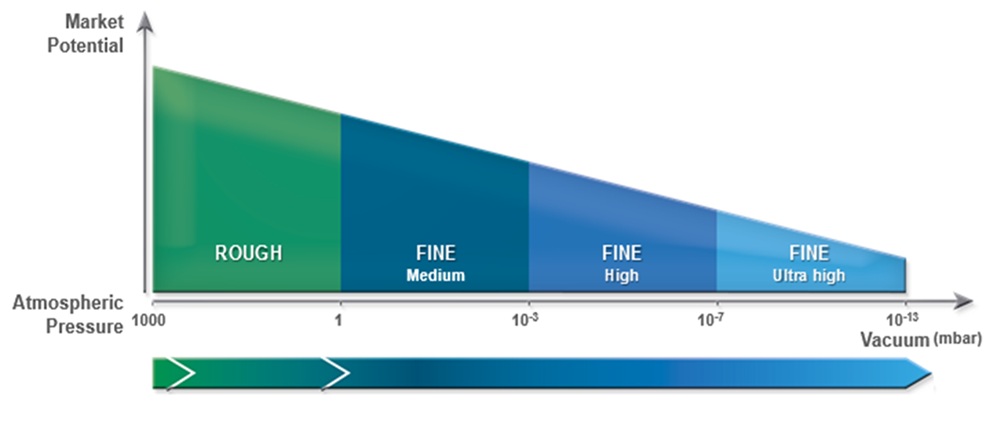
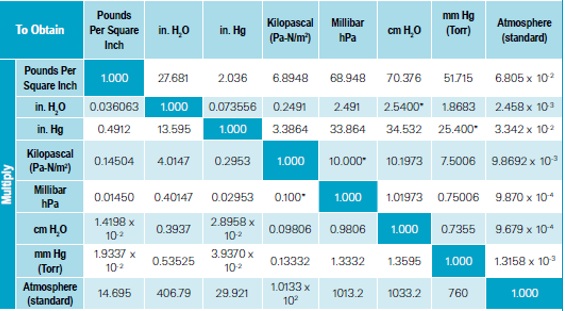
Measuring Vacuum Levels Vacuum levels are measured using units such as millibar (mbar), torr, and pascal (Pa). Vacuum technology relies on various instruments like Pirani gauges, capacitance manometers, and ionization gauges to monitor pressure accurately. The choice of measurement device depends on the vacuum level required for a specific application.
Types of Vacuum Pumps
Vacuum pumps are integral components of vacuum technology, designed to remove air and gases from a chamber. The main types include:
- Rotary Vane Pumps: Ideal for medium vacuum applications.
- Dry Vane Pumps: Suitable for oil-free environments.
- Scroll Pumps: Common in clean applications.
- Diffusion Pumps: Used for high and ultra-high vacuum.
- Turbomolecular Pumps: Essential for scientific research and semiconductor industries.
Applications of Vacuum Technology Vacuum technology plays a vital role in multiple industries:
- Food Packaging: Extends shelf life by removing oxygen.
- Pharmaceuticals: Used in freeze drying and tablet coating.
- Chemical Processing: Enables controlled reactions and distillation.
- Electronics Manufacturing: Essential for semiconductor fabrication.
- Medical Industry: Used in vacuum-assisted surgeries and sterilization.
Key Considerations in Vacuum System Design
When designing a vacuum system, factors such as pump selection, material compatibility, and leakage control must be considered. Efficient vacuum technology systems ensure optimal performance, energy efficiency, and longevity of components
Conclusion:
Understanding basic vacuum principles helps industries optimize their processes using vacuum technology. Whether for research, manufacturing, or preservation, vacuum systems contribute significantly to innovation and efficiency. Investing in the right vacuum technology solutions ensures improved productivity and cost-effectiveness in various applications